
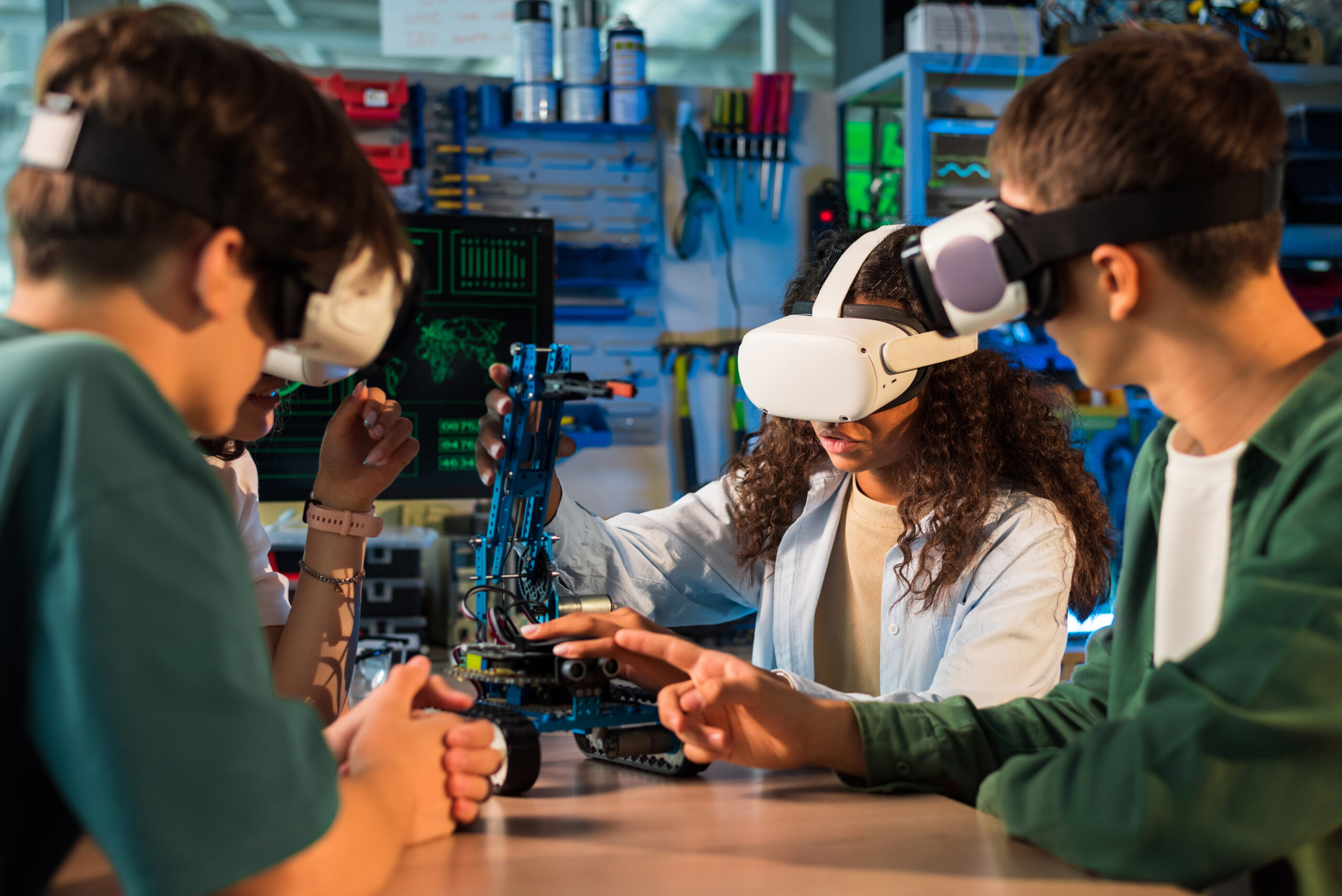
Future Scope of Electronics & Communication Engineering in India
Electronics & Communication Engineering (ECE) is one of the most dynamic and rapidly growing engineering fields in India. With the rise of emerging technologies such as Artificial Intelligence, IoT, 5G communication, robotics, and semiconductor manufacturing, the demand for skilled electronics engineers continues to increase.
India is becoming a global technology hub, and electronics plays a crucial role in this transformation. From smartphones and satellites to smart cities and autonomous vehicles, ECE professionals are shaping the future of modern technology.
Why Electronics & Communication Engineering is a Promising Career
The electronics industry is expanding quickly due to technological innovation and digital transformation. Governments and private sectors are investing heavily in electronics manufacturing and communication infrastructure.
Some major reasons why ECE has a strong future in India include:
-
Rapid growth of the semiconductor industry
-
Expansion of 5G and communication networks
-
Increasing demand for consumer electronics
-
Development of smart technologies and automation
-
Government initiatives like Make in India and Digital India
These factors create numerous opportunities for ECE graduates across multiple industries.
Top Career Opportunities for ECE Graduates
Electronics & Communication engineers have a wide range of career options in both the private and public sectors.
1. Telecommunications Engineer
ECE graduates can work in telecom companies managing communication networks, 5G infrastructure, and wireless technologies.
2. Embedded Systems Engineer
Embedded systems engineers design hardware and software systems used in devices like smart appliances, medical equipment, and automobiles.
3. Semiconductor Engineer
India is heavily investing in semiconductor manufacturing, creating high-demand jobs for chip design and fabrication experts.
4. Robotics Engineer
Robotics combines electronics, AI, and automation. ECE graduates can work in industries developing intelligent robotic systems.
5. IoT Engineer
The Internet of Things connects devices through sensors and communication networks, creating opportunities in smart homes, healthcare, and industrial automation.
6. VLSI Design Engineer
VLSI engineers design integrated circuits used in processors, microchips, and electronic devices.
7. Electronics Design Engineer
These professionals design and develop electronic components used in consumer electronics, aerospace, and automotive industries.
Industries Hiring Electronics Engineers in India
ECE graduates are required in many industries, including:
-
Telecommunications
-
Consumer Electronics
-
Semiconductor Manufacturing
-
Aerospace and Defense
-
Robotics and Automation
-
IT and Software Companies
-
Healthcare Technology
-
Automotive Electronics
-
Renewable Energy Systems
Leading technology companies and startups are constantly hiring electronics engineers to build innovative products and solutions.
Emerging Technologies Creating New Opportunities
The future of Electronics & Communication Engineering is strongly connected to emerging technologies.
5G & Next-Generation Networks
India is rapidly expanding 5G networks, creating huge demand for telecom engineers and network specialists.
Internet of Things (IoT)
IoT is revolutionizing industries by connecting devices and systems for automation and data analysis.
Artificial Intelligence Hardware
ECE professionals are needed to develop hardware systems that support AI processing.
Semiconductor Industry
India’s semiconductor mission is expected to generate thousands of engineering jobs in chip design and manufacturing.
Autonomous Vehicles
Modern vehicles rely heavily on sensors, electronics, and communication systems.
Salary Expectations for ECE Graduates in India
The salary of electronics engineers depends on experience, skills, and specialization.
Average salary ranges:
-
Fresh graduates: ₹3 LPA – ₹6 LPA
-
Mid-level engineers: ₹6 LPA – ₹12 LPA
-
Experienced professionals: ₹15 LPA+
Specializations like VLSI, AI hardware, and semiconductor design often offer higher salary packages.
Skills Required for ECE Students
To succeed in the electronics industry, students should develop technical and practical skills such as:
-
Embedded systems programming
-
Microcontrollers and microprocessors
-
VLSI design
-
Signal processing
-
PCB design
-
IoT development
-
Programming languages like C, Python, and MATLAB
Hands-on experience through internships and projects significantly improves career prospects.
Government Initiatives Boosting the ECE Industry
The Indian government is supporting electronics development through initiatives such as:
-
Digital India
-
Make in India
-
Semiconductor Mission
-
Production Linked Incentive (PLI) Scheme
These initiatives aim to make India a global electronics manufacturing hub, creating massive opportunities for ECE engineers.
Conclusion
The future scope of Electronics & Communication Engineering in India is extremely promising. With rapid advancements in technology and strong government support for electronics manufacturing, the demand for skilled engineers will continue to rise.
Students who specialize in areas like VLSI, IoT, robotics, and semiconductor technology will find excellent career opportunities in the coming years. By developing technical expertise and staying updated with emerging technologies, ECE graduates can build successful and rewarding careers in the global tech industry.
