
Introduction
Electrical and Electronics Engineering (EEE) has always been at the core of technological advancement. But in 2026 and beyond, the field is undergoing a massive transformation driven by Artificial Intelligence (AI), automation, and Industry 4.0.
From smart grids to autonomous systems, EEE is no longer just about circuits and power systems—it’s becoming smarter, data-driven, and highly integrated with digital technologies.
What is Industry 4.0 and Why It Matters for EEE?
Industry 4.0 refers to the fourth industrial revolution, where physical systems are connected with digital intelligence through technologies like:
- Artificial Intelligence (AI)
- Internet of Things (IoT)
- Big Data
- Cloud Computing
- Robotics
For EEE engineers, this means designing systems that are not only efficient but also intelligent and self-optimizing.
Role of AI in Electrical and Electronics Engineering
AI is revolutionizing how electrical systems are designed, monitored, and maintained.
Key Applications:
- Smart Grid Management – AI predicts energy demand and optimizes distribution
- Predictive Maintenance – Detects faults in machines before failure
- Power System Optimization – Reduces energy loss and improves efficiency
- Signal Processing – AI enhances communication systems
EEE engineers now work with machine learning algorithms alongside traditional electrical systems.
Automation Transforming EEE
Automation is reshaping industries, and EEE is at the center of it.
Where Automation is Used:
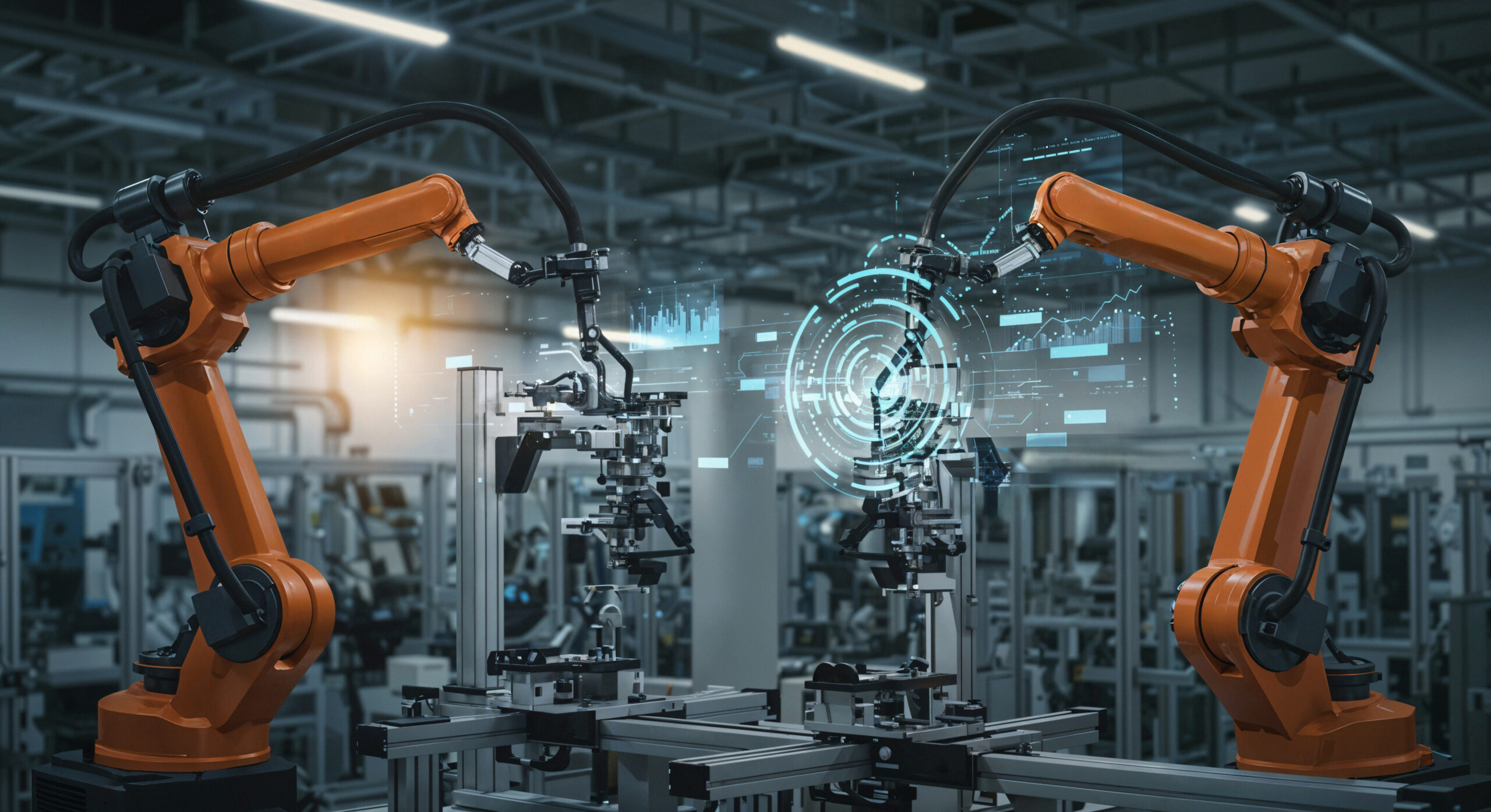
- Industrial robotics
- Automated manufacturing systems
- PLC (Programmable Logic Controller) systems
- Control systems engineering
EEE professionals are now responsible for designing and maintaining automated environments that improve productivity and reduce human intervention.
Integration with IoT (Internet of Things)
IoT connects devices and systems, allowing real-time communication and control.
Examples:
- Smart homes (automated lighting, appliances)
- Smart cities (traffic control, energy management)
- Industrial IoT (IIoT) for factories
EEE engineers play a key role in:
- Sensor design
- Embedded systems
- Communication protocols
Smart Energy & Renewable Revolution
With the global push toward sustainability, EEE is evolving in energy systems.
Emerging Areas:
- Smart grids
- Solar and wind energy systems
- Energy storage (batteries, EVs)
- Electric vehicles (EV technology)
AI helps optimize renewable energy usage and balance supply-demand efficiently.
Skills Required for Future EEE Engineers
To stay relevant, EEE students must go beyond traditional subjects.
Must-Have Skills:
- Programming (Python, MATLAB)
- AI & Machine Learning basics
- Embedded Systems
- Data Analysis
- IoT & Networking
- Control Systems & Robotics
 Hybrid skills = Higher career opportunities.
Career Opportunities in the New Era
EEE graduates now have diverse career paths:
- AI Engineer (with EEE background)
- Automation Engineer
- Robotics Engineer
- Power Systems Engineer
- IoT Developer
- Renewable Energy Specialist
Industries hiring include:
- Manufacturing
- Energy sector
- IT & Software
- Automotive (EV industry)
Future Scope of EEE
The future of EEE is incredibly promising as it merges with digital technologies.
What to Expect:
- Fully automated smart factories
- AI-driven energy systems
- Advanced robotics
- Sustainable smart cities
EEE will remain one of the most versatile and future-proof engineering branches.
Conclusion
Electrical and Electronics Engineering is no longer limited to wires and circuits—it is evolving into a smart, interconnected, and AI-driven field.
Students who adapt to AI, automation, and Industry 4.0 technologies will unlock massive career opportunities and play a crucial role in shaping the future.
The key is simple: Learn, adapt, and innovate.
