
Core Mechanical Engineering Skills That Remain Essential Despite Technological Advancements
Technology is evolving rapidly with the rise of automation, artificial intelligence, and advanced manufacturing techniques. Despite these innovations, the core mechanical engineering skills remain the backbone of engineering success. While modern tools assist engineers in designing and analyzing systems, fundamental knowledge and practical skills are still indispensable.
Mechanical engineers who master these core skills can adapt to technological changes while continuing to innovate and solve complex engineering challenges.
1. Strong Engineering Fundamentals
No matter how advanced technology becomes, engineering fundamentals remain critical. Mechanical engineers must have a deep understanding of principles such as:
Mechanics
Material science
Fluid mechanics
Thermodynamics
Heat transfer
These concepts form the foundation for designing machines, analyzing systems, and improving mechanical performance. Even advanced software tools rely on these core principles.
2. Problem-Solving and Analytical Thinking
Engineering is fundamentally about solving problems. Mechanical engineers must be able to analyze complex situations, identify root causes, and develop efficient solutions.
Key aspects include:
Logical reasoning
Critical thinking
Mathematical analysis
Data interpretation
Even with advanced simulation tools, engineers must interpret results and make informed decisions.
3. Mechanical Design and Engineering Drawing
Modern design software like CAD tools has transformed engineering design. However, mechanical design fundamentals are still essential.
Engineers must understand:
Engineering drawings
Dimensioning and tolerancing
Design principles
Material selection
Manufacturing constraints
Without strong design knowledge, even the most advanced software cannot produce reliable mechanical systems.
4. Knowledge of Materials and Manufacturing Processes
Selecting the right material is crucial for product durability, cost efficiency, and safety.
Mechanical engineers must understand:
Material properties
Strength and fatigue limits
Manufacturing techniques
Casting, machining, welding, and additive manufacturing
Technology can assist in simulation, but the engineer’s knowledge determines the best solution.
5. Thermodynamics and Energy Systems
Energy efficiency is a key focus in modern engineering. Mechanical engineers must still understand thermodynamics and energy systems to design engines, turbines, HVAC systems, and power plants.
Core concepts include:
Energy transfer
Heat exchange
Combustion processes
Refrigeration cycles
These principles remain critical in industries such as automotive, aerospace, and renewable energy.
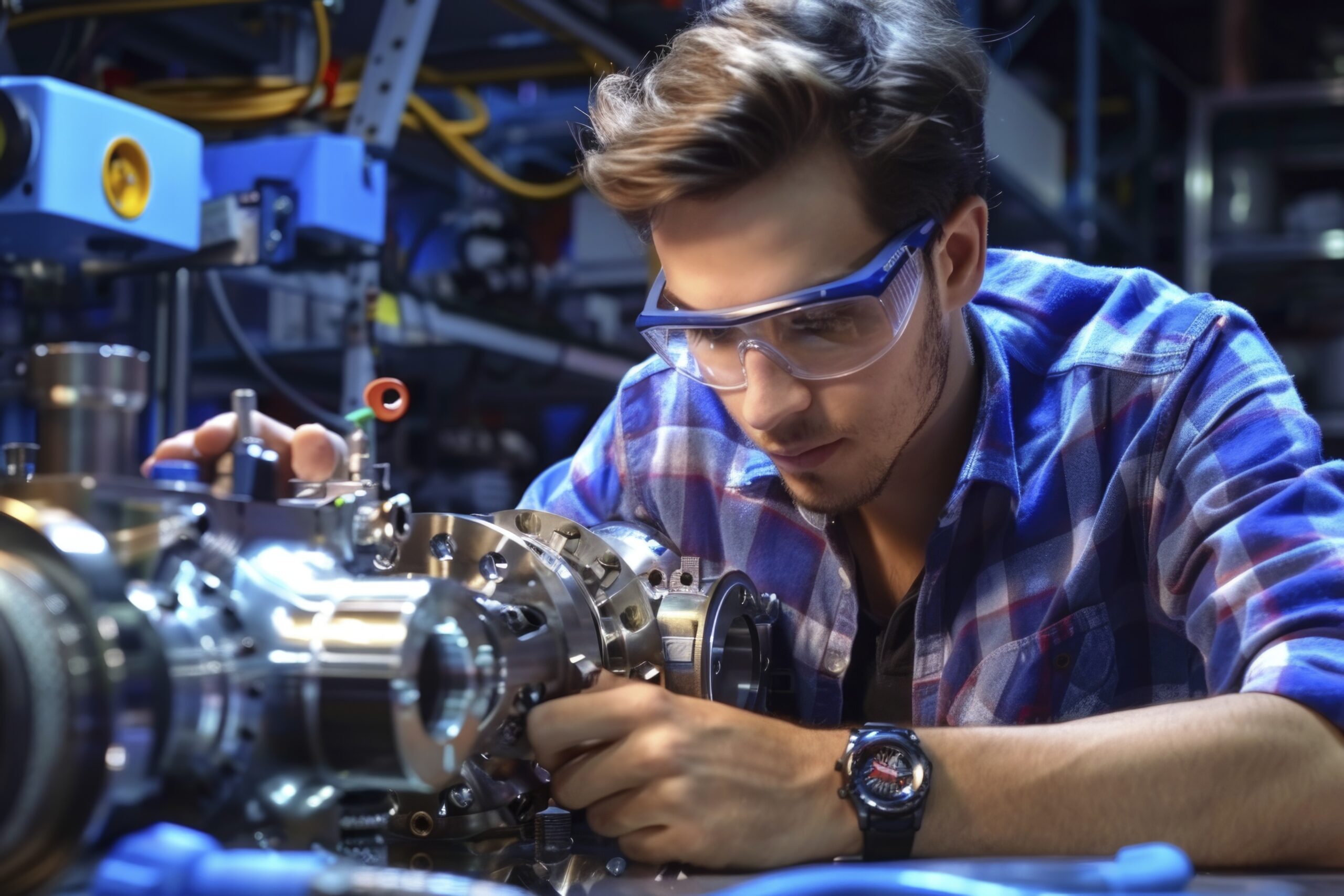
6. Practical Hands-On Skills
Practical knowledge bridges the gap between theory and real-world engineering. Mechanical engineers benefit greatly from hands-on experience with:
Machine tools
Prototyping
Testing equipment
Mechanical assembly
Understanding how machines operate in real environments helps engineers design more efficient and reliable systems.
7. Communication and Team Collaboration
Engineering projects involve cross-functional teams including electrical engineers, software developers, and project managers.
Mechanical engineers must be able to:
Communicate technical concepts clearly
Write engineering reports
Present design ideas
Collaborate with multidisciplinary teams
These skills are essential for successful project execution.
8. Adaptability to New Technologies
While core engineering skills remain essential, engineers must also stay adaptable. Learning new tools such as:
CAD and simulation software
Automation technologies
AI-driven engineering tools
Digital manufacturing systems
helps engineers remain competitive in the evolving industry.
Conclusion
Despite rapid technological advancements, core mechanical engineering skills remain fundamental to engineering success. Strong knowledge of engineering principles, problem-solving abilities, design expertise, and practical experience continue to define effective mechanical engineers.
By combining these timeless skills with modern technologies, engineers can drive innovation and solve the complex challenges of the future.
